
Dust-Free Carpets: Say Goodbye to Hidden Allergens in Your Home
Dust and particles that accumulate unnoticed in the home can lead to various health problems in sensitive individuals. Floor coverings are especially important for people with heightened sensitivities. Dust-free carpets help reduce invisible triggers in the home, providing a healthier living space. For individuals with allergic sensitivities, respiratory sensitivities, or reactions to dust, choosing the right carpet directly affects comfort.
Traditional carpets trap dust due to their high pile structure. This makes it difficult to completely remove airborne particles, even with regular house cleaning. Dust-resistant carpets, on the other hand, support indoor hygiene thanks to their denser weave and lower pile properties.
What is a dust-free carpet?
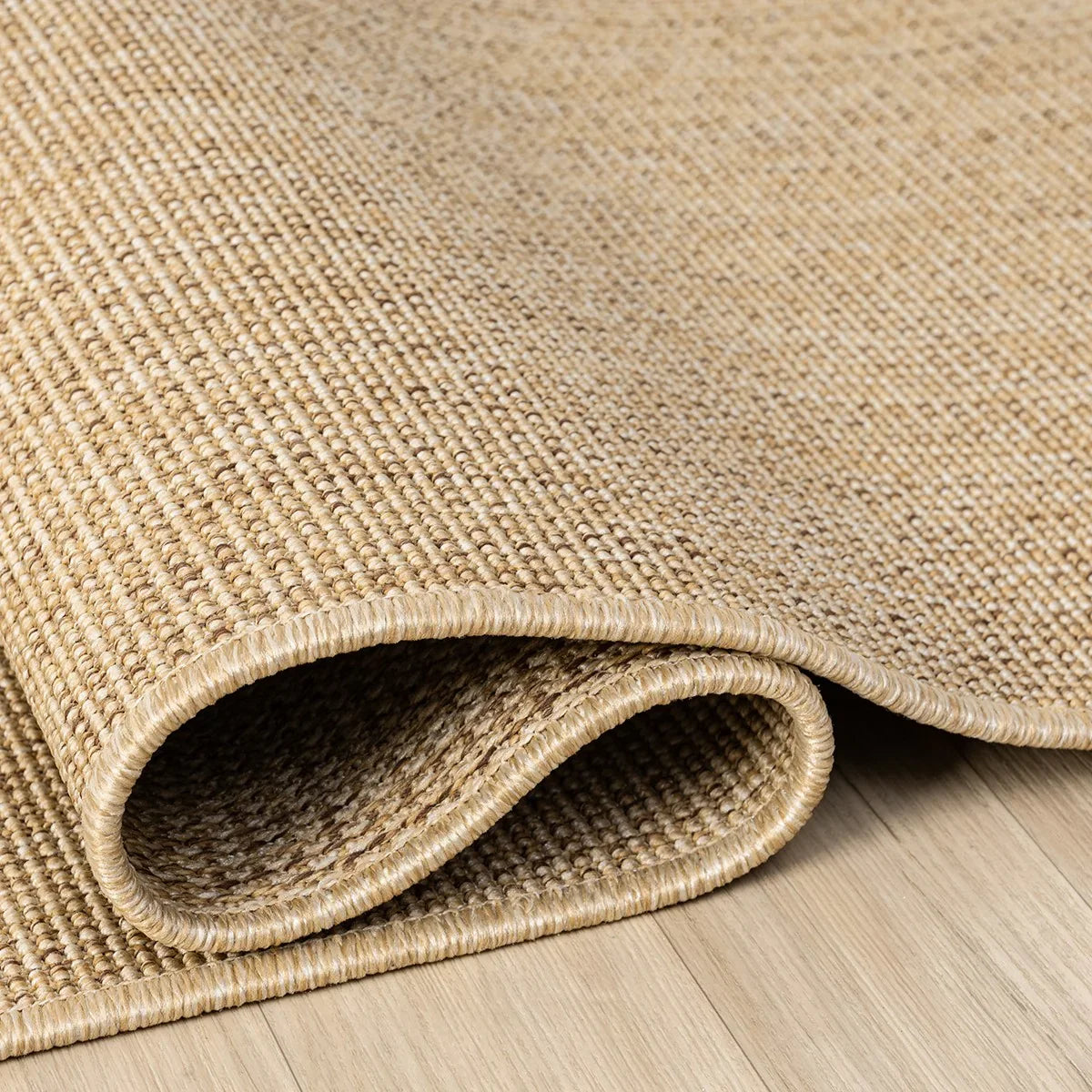
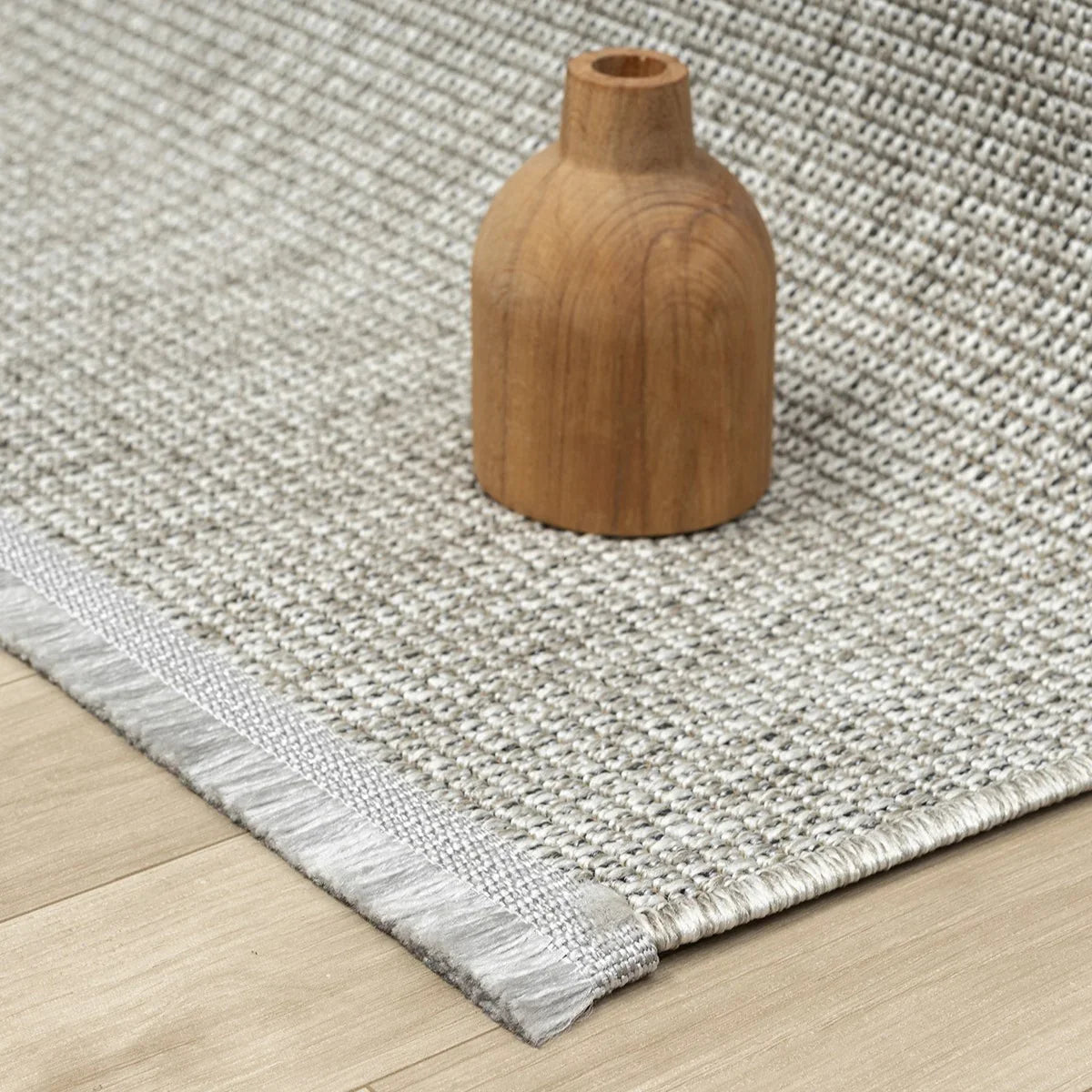
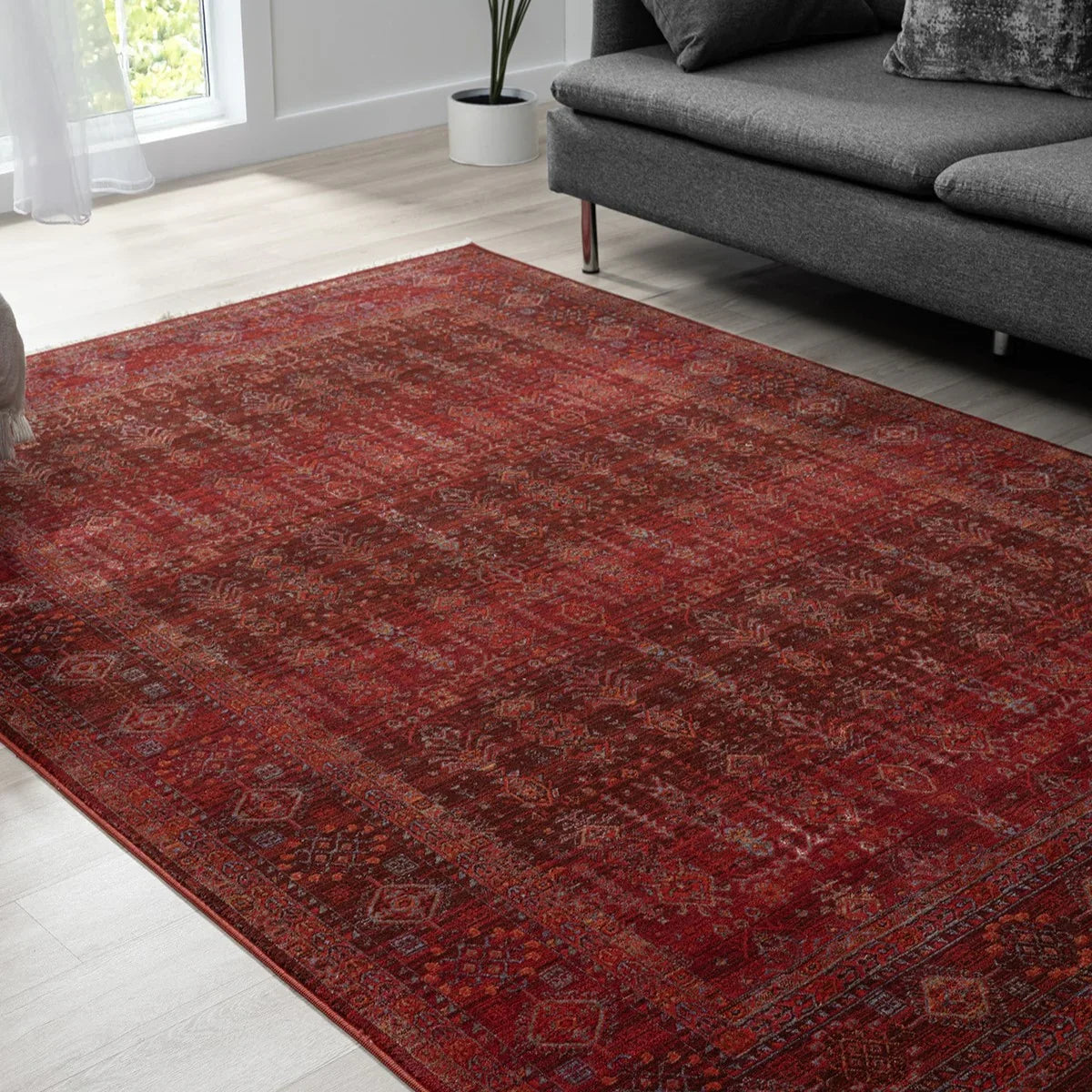
Dust-resistant carpets are a type of carpet that, by its nature, does not retain dust and microparticles on its surface. These carpets generally have a low pile, are tightly woven, and have smooth surfaces. Therefore, dust, mites, and other sensitivity triggers do not penetrate the carpet fibers.

Health is just as important as aesthetics. Therefore, dust-resistant carpets offer not only a functional but also a decorative solution. Thanks to simple patterns and timeless colors, they easily blend with different decorating styles.
What are the hidden sources of vulnerability in the home?
Unseen sources of contamination in the home include dust mites, pollen residue, and pet dander. These elements tend to accumulate especially on carpet surfaces. Choosing the wrong carpet can cause these particles to remain in the environment for a long time.
Dust-resistant carpets reduce this risk, creating a cleaner floor. When used in conjunction with regular cleaning, they visibly improve air quality in the home. Pera Carpet's tightly woven and low-pile models offer practical solutions to this need.
Advantages of Dust-Free Carpets
It keeps dust accumulation to a minimum.
It is easy to clean and gives quick results.
It supports indoor air quality.
It provides a safer environment for sensitive individuals.
It is compatible with modern and simple decorations.
These features enhance the quality of life for individuals with dust sensitivity.
What to Consider When Choosing a Dust-Free Carpet
The first thing to consider when choosing a carpet is pile height. Low-pile carpets are always more advantageous. The type of yarn used and the weaving density are also important. Smooth surfaces make it harder for dust to adhere.
Color selection is also important from a practical point of view. Light and natural tones make it easier to spot dust and encourage cleaning habits. A non-slip backing for the rug provides both safety and ease of use.
Are Dust-Free Carpets Effective Against Allergies?
A well-chosen dust-free carpet significantly reduces the elements that trigger allergic sensitivities. While it may not eliminate them completely, it makes the environment healthier.
Are these rugs suitable for homes with children?
Yes, in homes where children spend more time on the floor, dust-free carpets offer a more hygienic surface.
Do Dust-Free Carpets Affect Decor?
No, on the contrary, thanks to their simple and timeless designs, they maintain the integrity of the decor. They easily blend with modern, minimalist, and natural styles.
Is it difficult to clean?
No, it's quite easy to maintain with regular vacuuming and proper cleaning methods.
Dust-free carpets are an effective solution against sources of sensitivity that accumulate unnoticed in the home. Choosing the right carpet makes it possible to create both a decorative and healthy living space. Making a conscious choice of flooring makes time spent at home more comfortable and refreshing. A health-focused approach to decoration is an important step that improves quality of life in the long run.